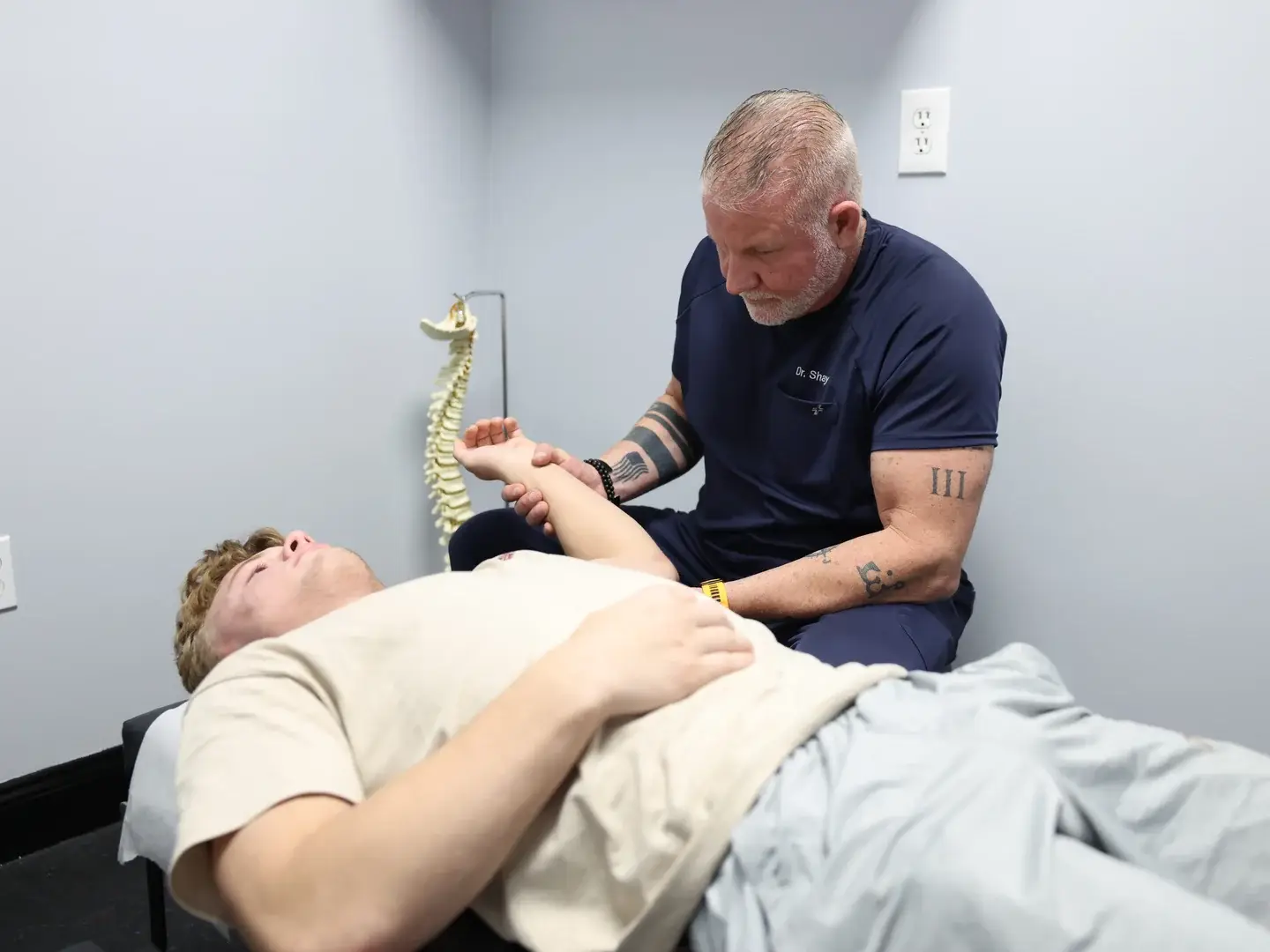
Cold laser therapy uses low-intensity light to treat painful muscles, tendons and joints. You may also hear it called low-level laser therapy (LLLT) or photobiomodulation. At Physical Medicine & Rehabilitation of NY & CT (PMR), it’s offered in Danbury, CT and Brewster, NY as one part of a plan that also includes exercise and hands-on care.
What is cold laser therapy?
A therapeutic laser works at much lower power than a surgical laser, so it doesn’t cut or burn the skin. Its light is absorbed by cells in the treated tissue. Researchers believe this may boost the cells’ energy production, improve local blood flow and calm inflammation, but how well it works is still being studied.
PMR uses. Your clinician chooses the settings for the area and the problem being treated.
When to get urgent care
Cold laser is meant for ongoing aches and injuries, not emergencies. Call 911 or go to the ER for:
- Loss of bladder or bowel control, or numbness in the groin or inner thighs
- Sudden weakness in an arm or leg, a drooping face or slurred speech
- Chest pain, or pain spreading into your jaw or left arm
- A hot, red, swollen joint with a fever, or back pain with a high fever
- A serious injury, such as a limb that looks deformed or one you can’t put weight on
What a session feels like
- You and your clinician wear protective glasses.
- The clinician holds a handheld probe on or just above your skin, moving it slowly over the area or holding it on specific points.
- Most people feel nothing at all, or a gentle warmth. There are no needles and no recovery time.
- Each area usually takes a few minutes, often during the same visit as your other care.
A series of sessions is typically recommended rather than a single treatment. Your clinician will explain how laser fits into your overall plan before you start, and your plan can change if it isn’t adding much.
Conditions cold laser may help
Clinicians most often use laser therapy for pain as an add-on for:
- Arthritis pain in the knees, hands and other joints
- Tendonitis, such as tennis elbow or Achilles pain
- Bursitis in the shoulder or hip
- Plantar fasciitis and heel pain
- Neck and low back pain
- Muscle strains and sports injuries
- Carpal tunnel symptoms
An add-on to active care
Research on low-level laser therapy is mixed. Some studies suggest it may ease pain in the short term for problems such as knee arthritis, neck pain and some tendon conditions, while others find little difference from a placebo. Results depend on the condition, the device and the dose, and they vary from person to person.
That’s why PMR uses laser alongside active care rather than as a stand-alone treatment. Longer-term progress usually comes from rebuilding strength, mobility and healthy movement through physical therapy, chiropractic care and work in our on-site gym. Laser may make it easier to stick with that plan while pain settles.
Safety and who should avoid it
Cold laser is low risk when it’s used correctly, but it isn’t right for everyone. Your clinician will not aim the laser:
- Into or near the eyes, which is why everyone wears eye protection
- Over the thyroid gland at the front of the neck
- Over a known or suspected tumor
- Over the abdomen or low back during pregnancy
Tell your clinician if you have a history of cancer, take medicine that makes your skin sensitive to light, or have a tattoo over the treatment area. These may change where or how the laser is used.
Frequently asked questions
Does cold laser therapy hurt?
It’s usually painless. Most people feel nothing, or mild warmth where the probe sits. There’s no recovery time, so you can drive and get on with your day right after a session. If an area ever feels uncomfortably warm, tell your clinician so they can adjust the settings or move the probe.
Does insurance cover cold laser therapy?
Coverage varies by plan. Many insurers consider low-level laser therapy investigational and won’t pay for it, even when they cover the rest of your visit. Before you start, call PMR’s billing office at (203) 744-8014 to check what your plan covers and whether you’d have any out-of-pocket cost.
Is it the same as laser surgery or a cosmetic laser?
No. Surgical and cosmetic lasers use high energy to cut, remove or reshape tissue. A cold laser uses far less energy and leaves your skin intact. It’s meant to influence how tissue feels and functions, not how it looks, so there’s no wound, scab or downtime afterward.
Book a visit
Ask about cold laser therapy at your next appointment, or call the office nearest you. You can also request an appointment online or browse all of PMR’s treatments.
- PMR of Danbury, CT: (203) 744-8013
- PMR of Brewster, NY: (845) 279-1135