Whether you tweaked a hamstring in a weekend softball game or are working back from a ligament injury mid-season, sports injury treatment should aim to rebuild the strength, speed and confidence your sport demands, not just quiet the pain. At Physical Medicine & Rehabilitation of NY & CT (PMR), chiropractors with a sports focus work side by side with physical therapists, with an on-site gym for rehab. We see athletes in Danbury and Brewster, NY.
Our sports focus
Dr. Paul Ciatto, DC, at our Brewster office, focuses on rehabilitation and strength training for athletes. Dr. Chris Shay, DC, who sees patients in Brewster, NY, concentrates on sports-related injuries and physical fitness. Learn more about our sports medicine and performance care.
Common sports injuries we see
Sprains and strains
Ankle sprains and hamstring, groin and calf strains are common in field and court sports, usually from landing, sprinting or cutting.
Overuse injuries
Repeated running, jumping, throwing and racket swings can overload tendons, bones and joints, causing Achilles or patellar tendinopathy, tennis elbow, shin splints, runner’s knee or bone stress injuries.
ACL and meniscus injuries
A pop with a pivot or landing, rapid swelling and a knee that feels unstable can mean an ACL tear, while twisting under load can tear a meniscus. Our knee pain treatment page explains the options.
Shoulder injuries
Throwing, swimming, lifting and contact sports stress the rotator cuff and labrum, causing overhead pain, weakness or a loose-feeling shoulder.
Concussion warning signs
A blow to the head or body that leaves an athlete with headache, dizziness, confusion, nausea, sensitivity to light or noise, or a foggy feeling may be a concussion. The athlete should stop playing that day and not return until a qualified health care provider clears them. Read more about concussion.
When to get urgent care for a sports injury
Call 911 or go to the ER right away for:
- A possible neck injury with neck pain, or numbness, tingling or weakness in the arms or legs; keep the athlete still
- Concussion danger signs such as a worsening headache, repeated vomiting, a seizure, slurred speech, unusual drowsiness or passing out
- Chest pain, fainting or severe shortness of breath during exercise
- A bone that looks deformed or has broken through the skin, or a joint that is clearly out of place
Sports injury treatment, from first visit to return to play
Your first visit covers how the injury happened, what your sport demands, and an exam that compares strength and movement side to side. PMR offers X-rays when needed and coordinates with physicians and surgeons when an injury needs more than conservative care. Sports injury rehab then usually moves through four stages:
- Protect and calm: manage pain and swelling while keeping the rest of your body fit
- Restore: regain motion and basic strength with athletic injury physical therapy, chiropractic care and soft-tissue work
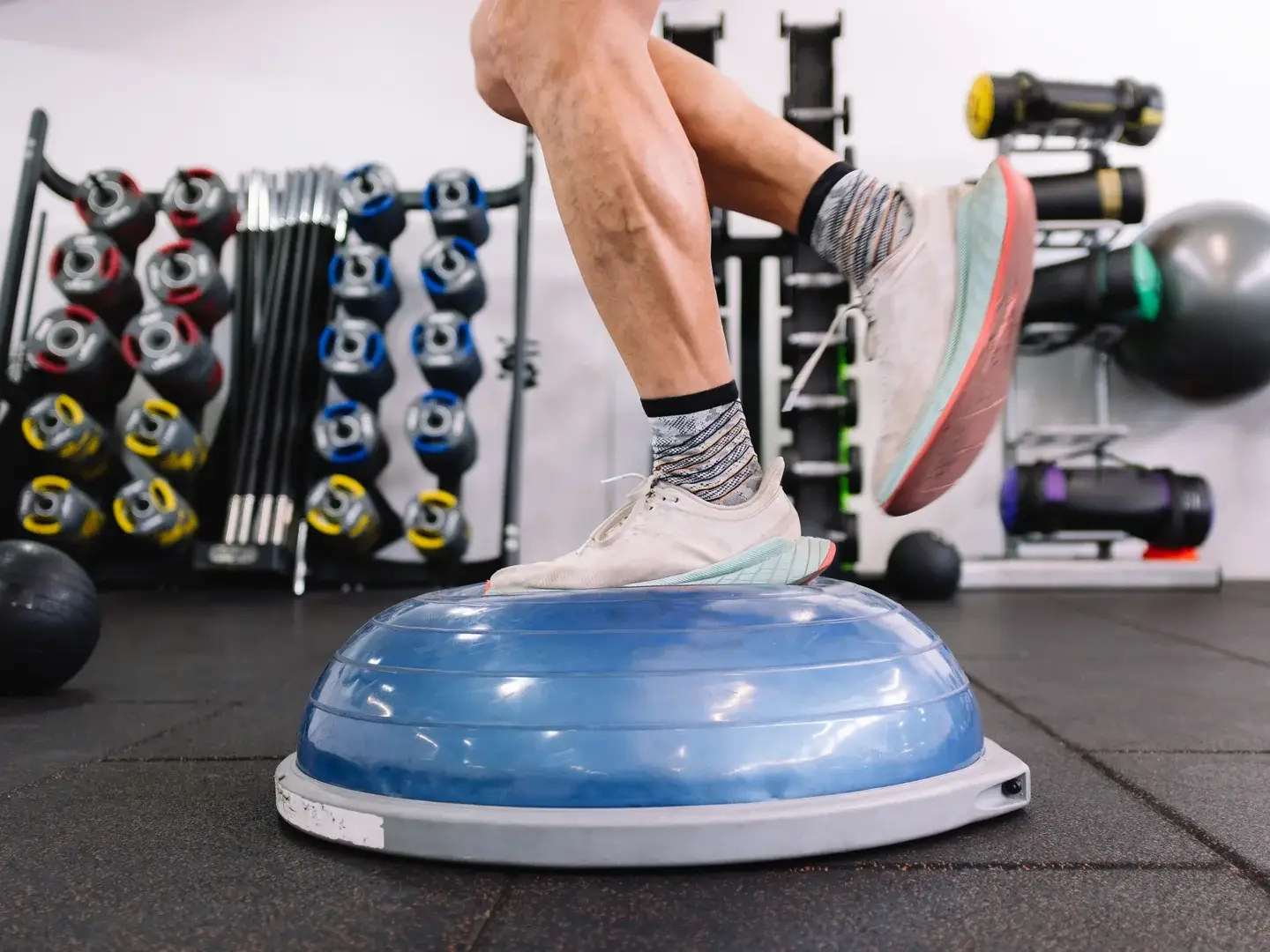
- Rebuild: progress strength, power and balance training in our on-site gym
- Return: practice sport-specific drills, then rejoin training and competition in steps
For tendon problems that haven’t settled with exercise, our Danbury and Brewster teams can add shockwave therapy.
Are you ready to return?
Return to play should be based on criteria, not just the calendar. Before we recommend a full return, you should have near-full range of motion, strength close to your uninjured side, and the ability to run, jump, cut or throw at game speed without pain or hesitation. We also map out how to ramp up training after rehab.
Lowering the risk of the next injury
- Warm up with dynamic movement and balance drills before practices and games
- Increase training load gradually, especially early in a season
- Strength train year-round
- Build in rest days and get enough sleep
Frequently asked questions
Should I see a sports injury chiropractor or a physical therapist?
At PMR, you don’t have to choose. Chiropractors focus on joint and soft-tissue care and how you move, physical therapists lead progressive exercise and rehab, and many athletes benefit from both. The clinician who evaluates you recommends a mix for your injury, and the team works from one shared plan.
Can I keep training while I’m injured?
Often, yes, with changes. Most injuries let you train other body parts or switch to cycling or swimming while the injured area recovers. What to avoid is pushing through sharp pain or playing on an injury that changes how you move. We help you set clear limits so you stay fit without setting back healing.
How soon should I be seen after a sports injury?
Without urgent warning signs, an assessment within a few days lets you start the right plan early. Come in sooner if you can’t bear weight, can’t use the limb normally or have significant swelling. Call the office nearest you about the next available appointment for sports injury treatment.
What happens if I need surgery?
Some injuries, such as many complete ACL tears or tendon ruptures, may need a surgeon’s opinion, and we refer you when the exam points that way. If you have surgery, PMR can provide rehab afterward that follows your surgeon’s protocol through your return to sport. Recovery time varies by procedure.
Get back in the game
Book sports injury treatment with the office that fits your schedule, or request an appointment online. Looking for a specific body part? Start with the conditions we treat.
- PMR of Brewster, NY, with Dr. Ciatto and Dr. Shay: (845) 279-1135
- PMR of Danbury, CT: (203) 744-8013