
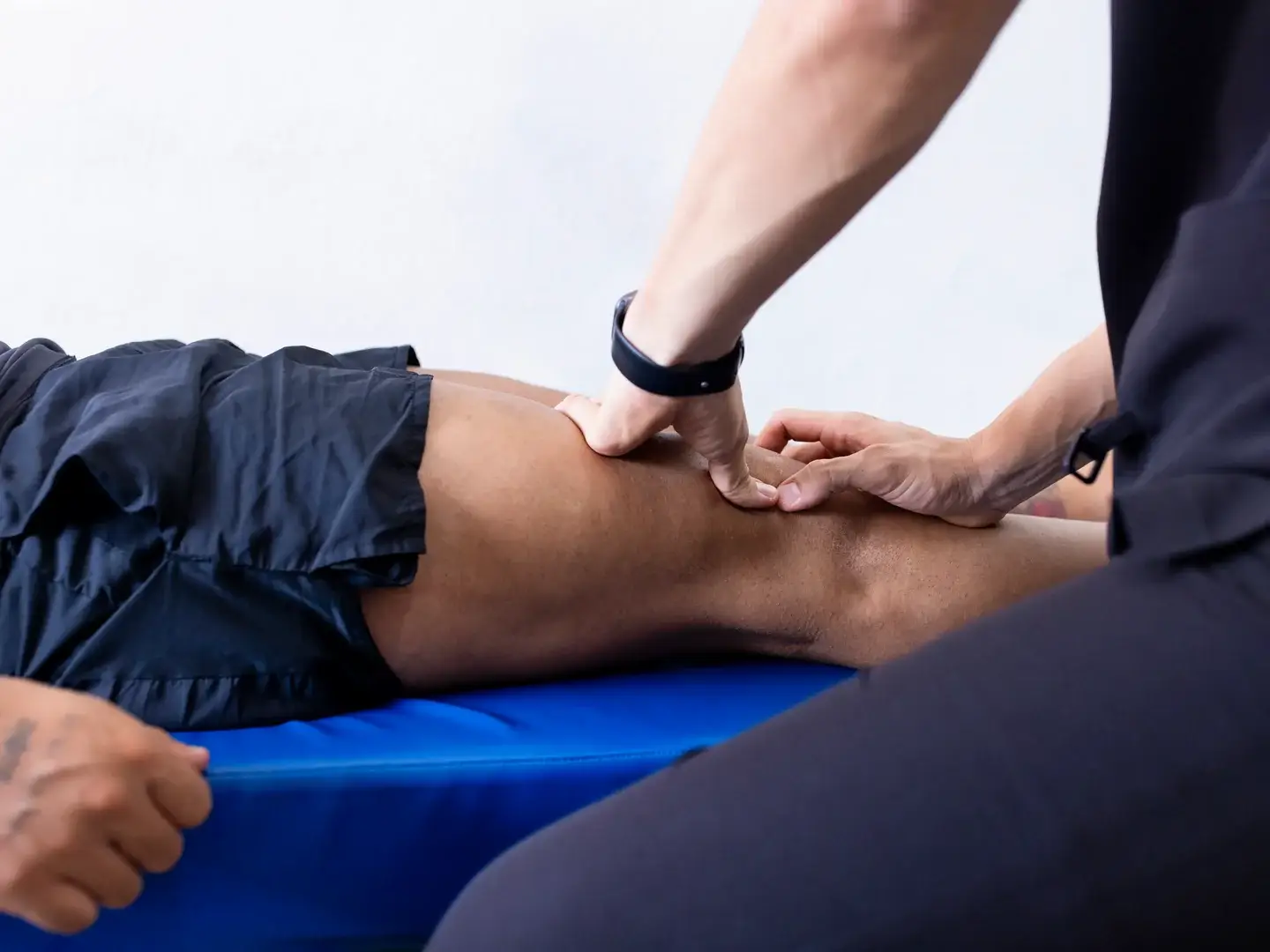
The weeks after an operation have a big influence on how well you move afterward. Post surgery physical therapy helps you regain motion, rebuild strength and return to daily life while protecting the repair your surgeon made. At Physical Medicine & Rehabilitation of NY & CT (PMR), we work from your surgeon’s protocol and adjust each phase to how you are healing, whether your therapy takes place in Danbury or Brewster, NY.
Surgeries we rehabilitate
PMR provides rehab after a range of orthopedic and spine operations, including:
- Knee replacement, partial or total
- Hip replacement
- ACL reconstruction and meniscus surgery
- Rotator cuff repair and other shoulder procedures
- Spine surgery, such as a discectomy or fusion
Working from your surgeon’s protocol
Every surgeon sets specific rules: how much weight the leg can take, how far a joint may move, how long to wear a sling or brace, and which positions to avoid after a hip replacement. Your physical therapist builds the plan around those rules, checks with the surgeon’s office when questions come up, and does not progress exercises beyond what your surgeon has cleared.
How post surgery physical therapy progresses
Rehab moves through four overlapping phases, timed to your operation and your healing.
Phase one: protect
Early on, the aims are to control pain and swelling, protect healing tissue, wake up muscles that switch off after surgery, and help you move safely, often with a walker, crutches or sling.
Phase two: restore motion
Guided exercises and hands-on techniques regain range of motion within your surgeon’s limits. After knee surgery, that means working toward a fully straight knee and a good bend; after shoulder surgery, early motion is often passive.
Phase three: strengthen
Once healing tissue can take more load, exercises progress to resistance training, balance work and practice with walking, stairs or lifting in our on-site gym.
Phase four: return to activity
The last phase prepares you for your goals, whether that is a full workday, gardening or sport, with testing to check you are ready.
Common rehab paths
Knee replacement physical therapy
Knee replacement physical therapy focuses early on swelling control, a fully straight knee and a steadily improving bend, along with walking, stairs and getting out of chairs. Home exercise between visits matters a great deal in the first weeks. Still weighing surgery? Our knee pain treatment page covers non-surgical options.
ACL rehab
ACL rehab protects the new graft while restoring full knee extension and quadriceps strength, then adds running, jumping and cutting in stages. A return to pivoting sports usually takes many months and is guided by strength and hop testing plus your surgeon’s clearance.
Rotator cuff surgery rehab
After a rotator cuff repair, the tendon needs time to heal back onto the bone, so rotator cuff surgery rehab moves from protected, passive motion to active motion and then strengthening, typically over several months.
Hip replacement and spine surgery
Hip replacement rehab respects the precautions for your surgical approach while rebuilding hip strength and walking. After spine surgery, plans often begin with a walking program and progress to core endurance and lifting technique.
A team with a post-surgical focus
Physical therapy is available at both offices, with chiropractic care, massage and the on-site gym supporting later phases when appropriate.
What to bring to your first rehab visit
- Your surgeon’s referral or prescription and the written rehab protocol
- Your operative report and discharge instructions, if you have them
- A list of current medications
- Any brace, sling or walking aid you were given
- Clothing that lets us see and move the area, plus your insurance card and photo ID
When to get urgent care after surgery
Your surgeon’s office is your first call for most concerns, but some signs can’t wait:
- Chest pain, sudden shortness of breath or coughing up blood: call 911, as these can signal a blood clot in the lungs
- New pain, swelling, warmth or redness in your calf or thigh, which can signal a leg clot: get same-day care
- Fever, chills, or an incision that is red, hot, draining or opening: call your surgeon today
- After spine surgery, numbness between your legs, loss of bladder or bowel control, or worsening leg weakness: go to the ER
- A sudden pop, a sharp jump in pain or loss of movement in the operated joint: call your surgeon promptly
Between visits
- Do your home exercises as prescribed, even on days without therapy
- Use ice, elevation and medications only as your surgeon directs
- Walk regularly if allowed, and rest when you need to
Frequently asked questions
When should post surgery physical therapy start?
It depends on the operation and your surgeon’s plan. After a joint replacement, therapy often starts in the hospital, with outpatient visits beginning soon after you go home. Repairs such as a rotator cuff may need a period of protection before certain exercises start. Booking your first visit once you have a surgery date helps avoid a gap in care.
How long will post surgery physical therapy last?
It varies with the procedure, your health and your goals. Some people finish formal therapy in several weeks, while others, such as after ACL reconstruction or rotator cuff repair, continue for months. We reassess regularly and move you to an independent program when you are ready.
Does insurance cover physical therapy after surgery?
Coverage depends on your plan. PMR files claims with most insurance companies for you, and your benefits are explained at the first appointment. Our billing office can answer questions at (203) 744-8014.
Plan your post-op rehab
Call the office where you would like to do your post surgery physical therapy, or request your first appointment online. You can also browse the other conditions we treat.
- Physical therapy in Danbury, CT: (203) 744-8013
- Physical therapy in Brewster, NY: (845) 279-1135