
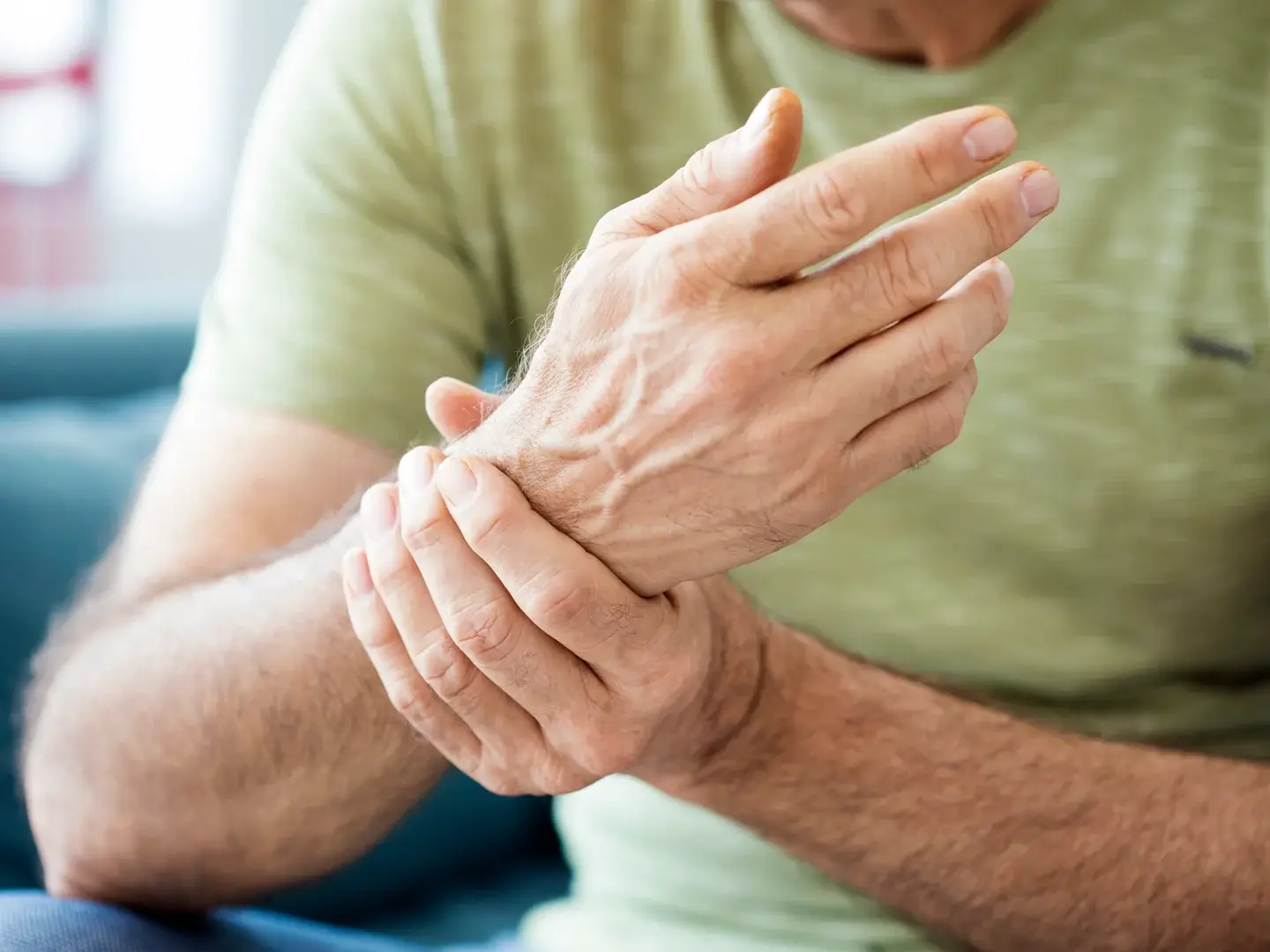
Arthritis can turn a morning walk, a flight of stairs or opening a jar into hard work. For osteoarthritis, the most common type, there is encouraging news: regular exercise is a first-line treatment for arthritis pain relief, and it helps many people stay active for years. At Physical Medicine & Rehabilitation of NY & CT (PMR), we help you build and stick with that plan at our two offices, in Danbury and Brewster, NY.
Understanding osteoarthritis
Osteoarthritis affects the whole joint: the cartilage covering the bone ends, the bone beneath, the joint lining and the surrounding muscles. It most often affects the knees, hips, hands, spine and the base of the thumb. Typical signs include:
- Pain that builds with use and eases with rest
- Stiffness on waking or after rest that loosens within about half an hour
- Less range of motion, a grinding feeling, or bony bumps at the finger joints
- Flare-ups that come and go
X-ray changes don’t always match how much a joint hurts, so symptoms and function guide treatment. Knee arthritis is covered in more depth on our knee pain treatment page.
Rheumatoid and other inflammatory arthritis
Rheumatoid arthritis, psoriatic arthritis, gout and related conditions are driven by the immune system or by crystals in the joint, and rheumatoid arthritis often affects the same joints on both sides of the body. These conditions need a physician, usually a rheumatologist, because early medication can help protect joints. Once your condition is managed, PMR can help with exercise, joint protection and staying active, while you keep taking your medications as prescribed.
When to get urgent care for arthritis
Some joint symptoms need a doctor today rather than an exercise plan. Seek same-day care or go to the ER if:
- A joint suddenly becomes hot, red and very swollen, especially with fever or chills, which can signal infection
- A joint swells badly after a fall and you can’t bear weight on it or use it
- Joint pain comes with a new rash, a fever or feeling generally unwell
Book a physician visit soon if morning stiffness lasts more than an hour, several joints are swollen at once, or you have unexplained weight loss or tiredness.
Arthritis pain relief starts with movement
Joints need movement to stay healthy, and the muscles around them act as shock absorbers. Exercise-based osteoarthritis treatment usually combines:
- Strength training for the muscles around the painful joint, such as the thighs for knee arthritis
- Low-impact aerobic activity like walking, cycling, swimming or water exercise
- Range-of-motion and balance work to keep joints moving and lower the risk of falls
If you carry extra weight, even modest weight loss can reduce the load on your knees and hips.
Pacing your activity
Pacing means spreading activity through the day instead of doing everything at once and paying for it later. Alternate heavier and lighter tasks, and use a simple guide: if a joint hurts more two hours after an activity than before it, do a little less next time.
How PMR helps with arthritis pain relief
Arthritis physical therapy
Physical therapy starts with an assessment of your joints, strength, balance and walking, then builds a progressive exercise program in our on-site gym, with hands-on techniques for stiffness and a home routine you can maintain.
Gentle chiropractic care and massage
Chiropractic care for arthritic joints uses gentle mobilization and low-force techniques, chosen with your bone health in mind. Massage therapy can ease muscle tension around a painful joint.
Acupuncture
Some people with knee osteoarthritis find that acupuncture eases pain enough to make exercise easier.
Nutrition and physician support
In Danbury, Dr. Craig Tilden, DC, includes nutritional counseling in his care, which can support weight goals. If pain still limits you, our physiatry team and your physicians can review other options, including a surgical opinion.
Self-care for arthritic joints
- Move a little every day, even on stiff days
- Use heat to loosen stiff joints and a cold pack for a swollen flare
- Wear cushioned, supportive shoes, and consider a cane in the hand opposite a painful hip or knee
- Ask your doctor or pharmacist which pain relievers are safe for you
Frequently asked questions
Will exercise wear out my arthritic joints?
For most people, no. Regular, well-chosen exercise is one of the most helpful steps toward arthritis pain relief, and it strengthens the muscles that protect the joint. Start at a comfortable level and build gradually. Aching that settles within a day is common and usually acceptable, but if a joint turns hot and swollen, pause and check with a clinician.
Can a chiropractor help with arthritis pain?
Chiropractic care may ease stiffness and improve movement in some arthritic joints, especially in the spine. At PMR, chiropractors use gentle techniques suited to arthritic joints and pair hands-on care with strengthening from our physical therapists. It is not a substitute for medical treatment of inflammatory arthritis.
Will my arthritis keep getting worse?
Not always. Osteoarthritis often changes slowly, and symptoms tend to rise and fall rather than climb steadily. Many people keep pain manageable for years by staying active, building strength and managing their weight, though results vary. If daily life becomes seriously limited, a surgeon can discuss joint replacement with you.
Start an arthritis plan
All two offices offer physical therapy and gentle hands-on care for arthritis pain relief. Call or ask for an appointment online, or see the conditions we treat if several joints hurt.
- PMR of Danbury, CT, at 1 Padanaram Road, (203) 744-8013
- PMR of Brewster, NY, at 1620 Brewster Town Center, (845) 279-1135