
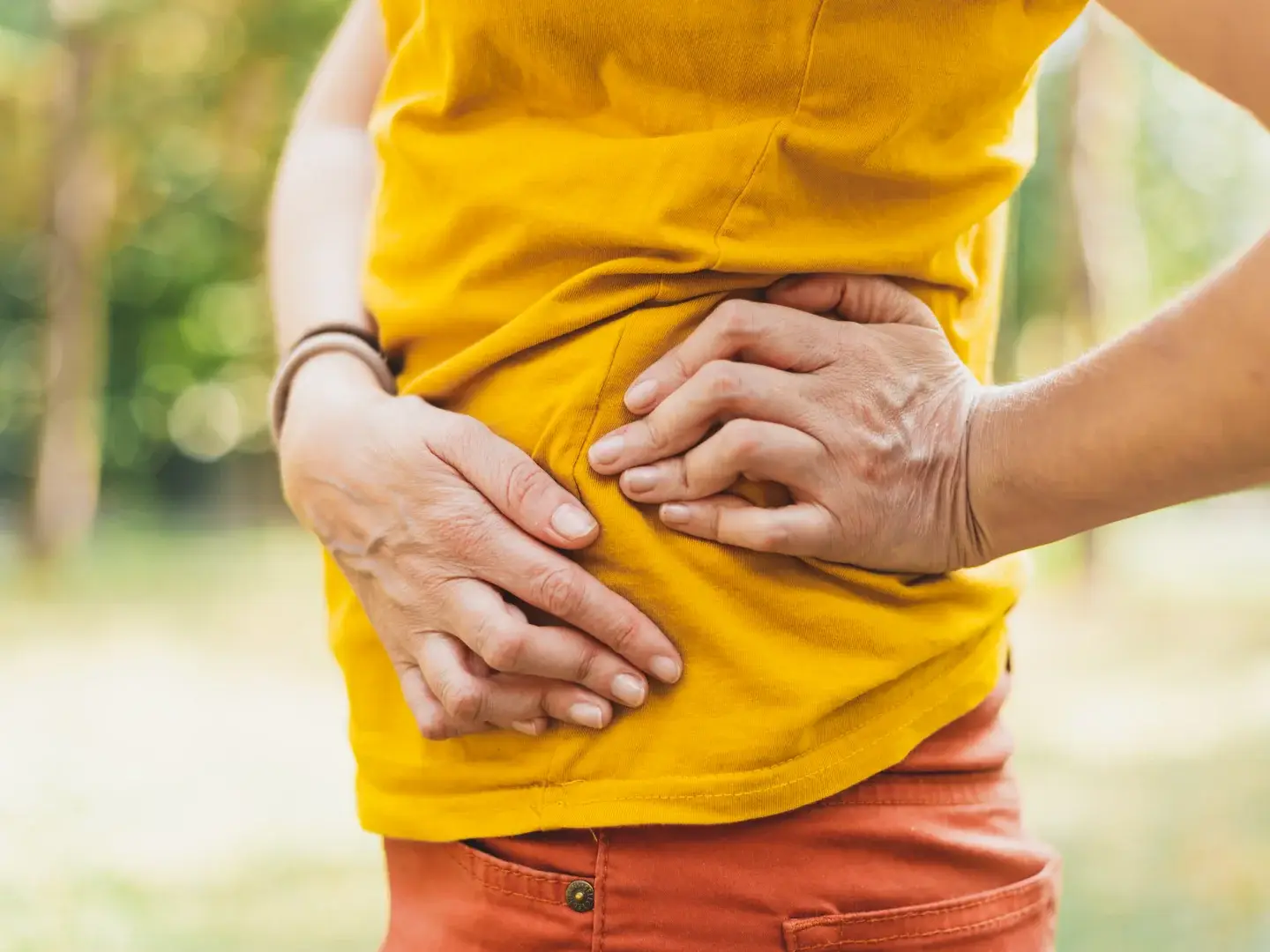
A sharp pull high on the inner thigh during a sprint, or a deep ache that builds with every kick or turn, can keep you off the field and make climbing out of a car a chore. Physical Medicine & Rehabilitation of NY & CT (PMR) begins groin pain treatment by finding the source, because the groin is where the thigh muscles, hip joint, lower abdomen and lower back all meet. Our Danbury and Brewster, NY offices all treat groin pain.
Common muscle and joint causes
Adductor strain, or groin pull
The adductors are the inner thigh muscles that pull your legs together. An adductor strain, often called a groin pull or groin strain, usually happens with sprinting, kicking, skating or a sudden change of direction, and it is common in soccer and hockey. Expect a sudden sharp pain, then tenderness and pain when you squeeze your knees together.
Hip joint problems
Deep pain in the front of the groin, especially with sitting, deep squats or getting out of a car, can come from the hip joint. A labral tear, bony changes that cause pinching when the hip bends deeply, and hip arthritis are common examples, and our hip pain treatment page explains them.
Athletic pubalgia
Athletic pubalgia, often called a sports hernia, is a strain where the lower abdominal muscles and adductors attach near the pubic bone. This athletic groin pain builds gradually with sprinting, cutting and sit-ups.
Other sources
Hip flexor strains, pubic bone irritation and pain referred from the lower back can also be felt in the groin.
When to get urgent care for groin pain
Some groin pain has nothing to do with muscles and needs a physician or emergency care:
- Sudden pain or swelling in a testicle can be testicular torsion, and sudden severe lower belly or pelvic pain can mean ovarian torsion or an ectopic pregnancy. Both need treatment within hours, so go to the ER now
- A groin bulge that is painful, firm or won’t push back in, especially with nausea or vomiting, needs the ER
- Fever, chills, or a red, hot, swollen area in the groin needs same-day care
- Burning when you urinate, blood in your urine, or pain spreading from your side into the groin needs a prompt physician visit
- In runners, groin or hip pain that worsens with each step and aches at night is a reason to stop running and get checked for a stress fracture
How PMR finds the source
We first screen for the non-muscle causes above, including a painless bulge that comes and goes, which may be a hernia, and refer you to a physician when needed. The exam then uses resisted squeezes between your knees, a resisted sit-up, hip range-of-motion and pinch tests, and a lower back check, so your groin pain treatment targets the right tissue.
Groin pain treatment and your return to sport
Most muscle and tendon groin pain improves with graded strengthening rather than rest alone. Physical therapy at PMR usually moves through four stages:
- Settle: pause sprinting and kicking, start gentle squeezes held for several seconds, and keep moving within comfort
- Strengthen: progress adductor exercises, including side-lying and Copenhagen variations, plus hip, glute and core work in the on-site gym
- Speed up: add jogging, then sprinting, kicking, skating or cutting drills, step by step
- Return: rejoin full training once squeeze strength is close to your other side and sport drills feel normal
Our sports medicine team, including chiropractors with a focus on sports injuries, can add hands-on care for the hip, pelvis and lower back and help plan your return to games.
Safe self-care in the first days
- Avoid sprinting, kicking and wide side steps for a few days
- Skip hard inner-thigh stretches early on, which can aggravate a fresh strain
- Use ice for 10 to 15 minutes for comfort
- Keep walking, and try an exercise bike if it is comfortable
Frequently asked questions
How long does a groin strain take to heal?
Mild groin strains often settle within a couple of weeks, bigger tears can take several weeks or more, and long-standing athletic groin pain may need a few months of rehab. Returning based on strength and sport-specific testing, not the calendar alone, helps lower the risk of re-injury, which is common with groin strains.
Should I stretch a groin pull?
Not hard, and not right away. Aggressive stretching in the first days can aggravate a fresh strain. Gentle movement is fine, and strengthening, starting with simple squeezes, usually helps more early on. Your physical therapist will add flexibility work at the right point in your groin pain treatment.
Is a sports hernia a real hernia?
No. Despite the name, there is usually no bulge or hole in the abdominal wall. It is a strain of the tissues around the pubic bone, and pain may flare with coughing or sneezing. Many athletes improve with targeted core and adductor rehab, though results vary, and persistent cases may need a surgeon’s opinion, which we can help arrange.
Can hip problems cause groin pain?
Yes. The hip joint sits just behind the groin, so labral tears, impingement and arthritis often show up as deep groin pain, sometimes with clicking or stiffness. That is why your exam includes hip range-of-motion and pinch tests. If the hip is the source, your plan focuses on hip strength and movement rather than the adductors.
Book a visit for groin pain
You can also send an appointment request online or browse the other conditions we treat.