
Published by PMR of NY & CT
If you're searching for foods that lower blood sugar, you may have just seen a high number on your meter or a lab report that says prediabetes. Food is a smart place to start, as long as your expectations are realistic. No food works like diabetes medicine, and none should replace a medicine your doctor has prescribed.
What the right foods can do is raise your blood sugar less after meals and help keep it steadier through the day. Along with activity, sleep and any treatment you need, that can improve your numbers over time.
Why some foods raise blood sugar less
Carbohydrates break down into glucose, which then enters your bloodstream. Refined starches and sugary drinks are absorbed quickly and cause sharp rises. Fiber, protein and fat slow digestion, so glucose arrives more gradually.
In other words, most foods that lower blood sugar don't actively push it down. They raise it less than the foods they replace. Portion size matters too: a big serving of a starchy food raises blood sugar more than a small one, even if it's a whole grain.
Foods that lower blood sugar spikes
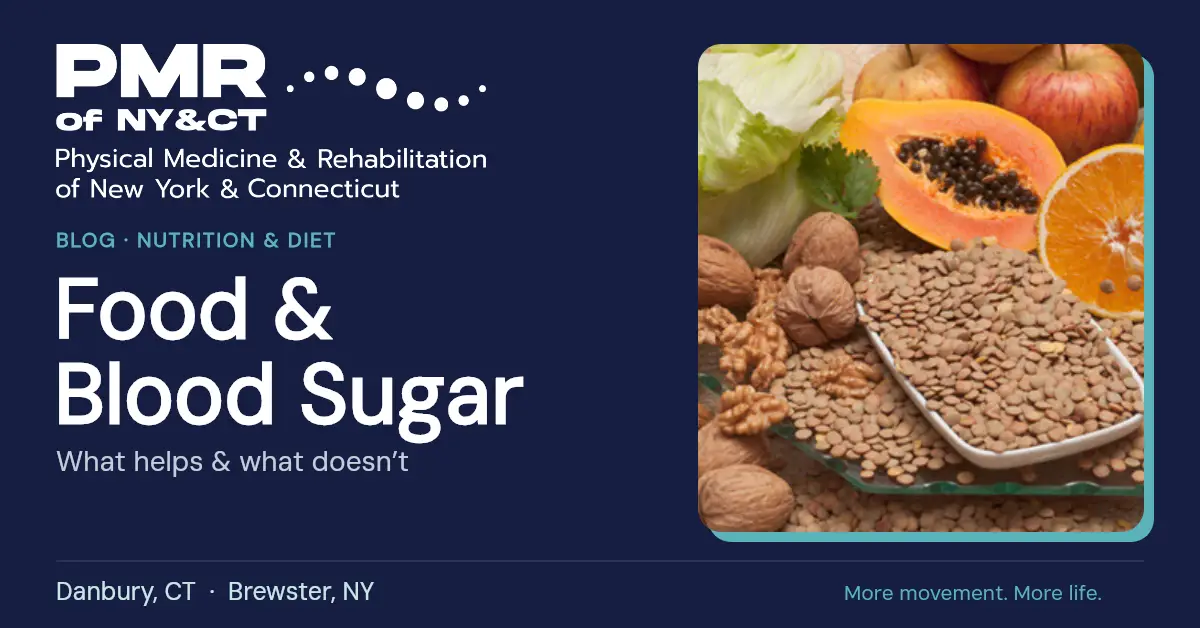
These foods tend to cause smaller rises in blood sugar, especially when they replace refined carbohydrates:
- Non-starchy vegetables, such as leafy greens, broccoli, cauliflower, peppers and green beans, are low in carbohydrates and high in fiber.
- Beans, lentils and chickpeas combine fiber and protein, which slows digestion.
- Oats and barley contain a soluble fiber called beta-glucan. Steel-cut or rolled oats raise blood sugar less than instant oatmeal.
- Nuts and seeds, such as almonds, walnuts, chia and ground flaxseed, add protein and healthy fat. A small handful is a serving.
- Berries, apples and pears bring fiber along with their natural sugar. Choose whole fruit over juice.
- Plain Greek yogurt has more protein and less sugar than most flavored yogurts.
- Fish, eggs, poultry and tofu have little or no carbohydrate and help a meal keep you full.
- Olive oil and avocado add healthy fat that slows how quickly a meal is digested.
Habits that help your food work harder
What you eat with a food, and in what order, also shapes your blood sugar:
- Pair carbohydrates with protein or fat. An apple with peanut butter tends to raise blood sugar less than an apple alone.
- Eat vegetables and protein first. Small studies suggest that saving starches for the end of a meal may lower the rise that follows.
- Take a short walk after meals. Working muscles use glucose for fuel, and even 10 to 15 minutes of walking after eating can help.
- Protect your sleep and manage stress. Short sleep and stress hormones can push blood sugar up.
If knee pain or another injury makes walking hard, physical therapy can help you find a comfortable way to keep moving.
Cinnamon, vinegar and supplements: what research shows
Online lists of foods that lower blood sugar often include cinnamon, vinegar and supplements. The research is less exciting than the headlines:
- Cinnamon: Studies are mixed. Some show a small drop in blood sugar and others show no effect. It’s a nice way to add flavor without sugar, but it isn’t a treatment.
- Vinegar: Small studies suggest vinegar with a meal may modestly lower the rise afterward. Undiluted vinegar can irritate your throat and wear down tooth enamel.
- Berberine and other supplements: Evidence is limited, product quality varies and some supplements interact with medicines.
If you take diabetes medicine, ask your doctor or pharmacist about any supplement first.
Talk with your care team before big changes
Eating differently can lower your blood sugar enough to change how much medicine you need. If you use insulin or take a sulfonylurea, such as glipizide, eating fewer carbohydrates, skipping meals or exercising more can cause low blood sugar. Warning signs include shakiness, sweating, a fast heartbeat, sudden hunger, irritability and confusion.
Ask your diabetes care team how to treat a low. Many teams teach the American Diabetes Association's 15-15 rule: take 15 grams of fast-acting carbohydrate, such as half a cup of juice or regular soda, wait 15 minutes and check again, repeating if you're still low. If a person with diabetes passes out, has a seizure or can't swallow safely, call 911 and use glucagon if it has been prescribed.
Frequently asked questions
What can you eat to bring high blood sugar down fast?
No food brings high blood sugar down quickly. If your reading is high, use the plan your care team set up with you, which may include a correction dose of insulin, drinking water and checking for ketones. Don't exercise if ketones are present. Call your doctor if readings stay above your target, and get emergency care for vomiting, confusion or trouble breathing.
Does drinking water help lower blood sugar?
Water won't treat high blood sugar, but staying hydrated helps. When blood sugar runs high, your kidneys flush extra glucose out in urine, which takes water, and dehydration can push readings higher. Choosing water over sweetened drinks is also one of the simplest ways to avoid spikes. If you have kidney or heart problems, ask your doctor how much fluid is right for you.
Does coffee raise blood sugar?
Black coffee has almost no carbohydrate, but caffeine can change how your body uses insulin, which shifts blood sugar a little in some people with diabetes. The bigger effect usually comes from what you add, such as sugar, flavored syrups and sweetened creamers. To see how your body responds, check your blood sugar before your usual coffee and again a couple of hours later.
Keep moving with PMR
Those after-meal walks are easier to keep up when moving feels comfortable. If hip, back or foot pain cuts them short, Physical Medicine & Rehabilitation of NY & CT (PMR) can help you get back on your feet. Your diabetes care team stays in charge of medicines and blood sugar targets. Request an appointment and our team will contact you.
More from the PMR Blog
Continue exploring articles in this topic category.