
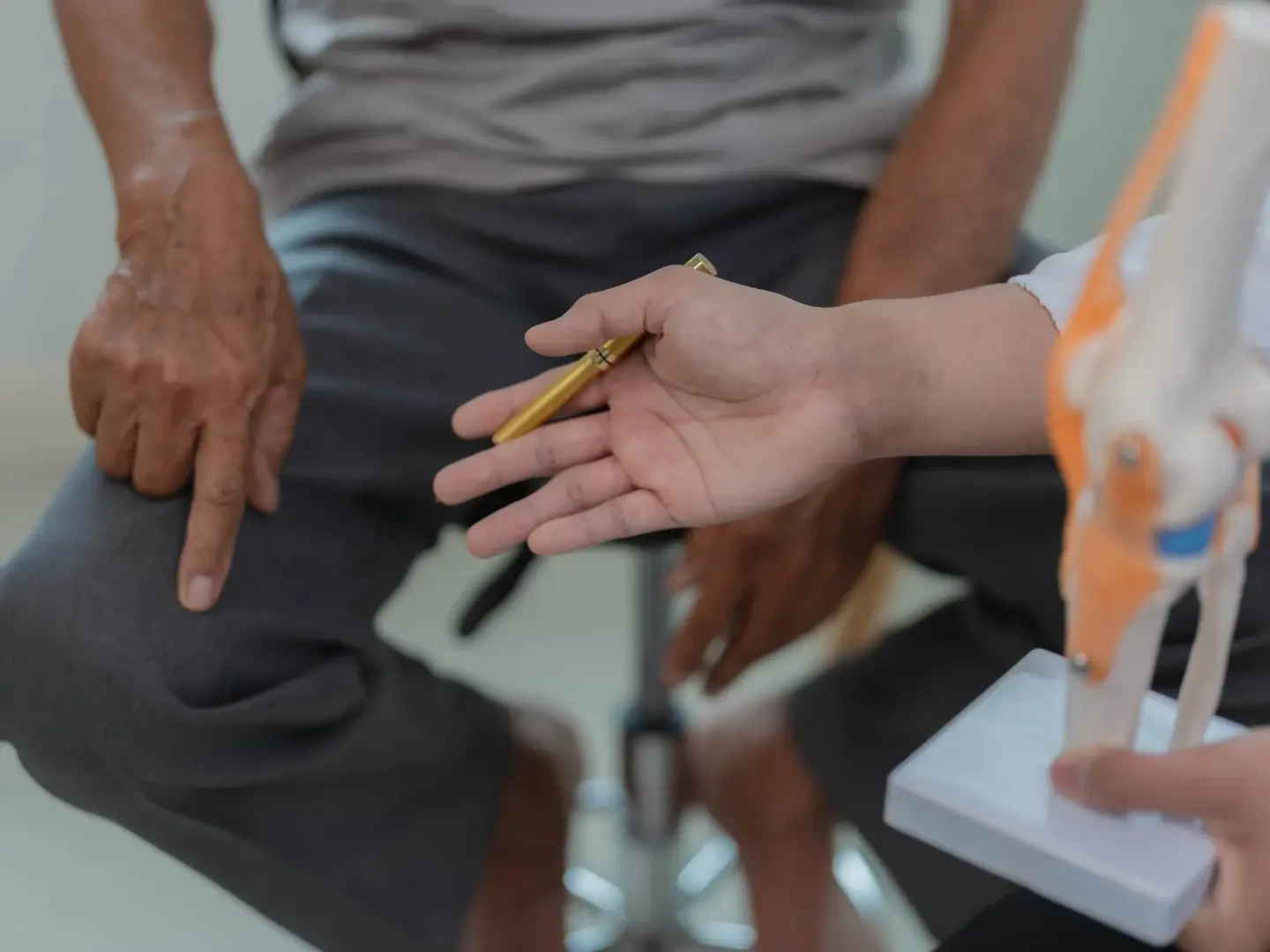
Physiatry’s formal name is physical medicine and rehabilitation, the same words that open the name Physical Medicine & Rehabilitation of NY & CT (PMR). A physiatrist is a physician who diagnoses and treats problems with nerves, muscles, bones and joints without surgery. At PMR, this specialty adds a medical evaluation to the team that includes your chiropractor and physical therapist, at two offices in Danbury, CT and Brewster, NY.
What is physiatry?
Physiatrists are medical doctors (MD or DO) who complete a residency in physical medicine and rehabilitation after medical school, and many are board certified by the American Board of Physical Medicine and Rehabilitation. Their focus is function: finding the source of pain or weakness and helping you get back to work, sport and daily life, without surgery when possible. Physiatrists often:
- diagnose nerve, muscle and joint problems through a detailed exam and testing
- perform and interpret EMG and nerve conduction studies
- lead rehab teams that include physical therapists and chiropractors
- advise when imaging, a procedure or a surgical opinion makes sense
Your physiatrist at PMR
Your physiatrist works with the PMR clinicians already treating you, so medical findings shape the whole plan.
What non-surgical pain management at PMR includes
Evaluation and diagnosis
Your visit starts with a detailed history and physical exam, including strength, reflexes, sensation and the movements that bring on your pain. Your physician reviews any imaging you already have, and PMR offers X-rays when they’re needed.
EMG and nerve conduction testing
When numbness, tingling, weakness or radiating pain suggests a nerve problem, EMG and nerve conduction testing can help show whether a nerve is damaged or compressed, and where. That helps tell apart problems that feel alike but need different care, such as a pinched nerve in the neck and carpal tunnel syndrome at the wrist.
One coordinated plan
Your plan may combine chiropractic care, physical therapy, massage, acupuncture, cold laser therapy or spinal decompression, all within PMR. Your physiatrist sets goals with the team, reviews your progress and changes the plan if you aren’t improving. You can read about each option on our services page.
Injections
Some physiatrists also perform injections as one part of a broader plan. Whether an injection makes sense for you is a decision you make with your physician after weighing the possible benefits and risks.
Conditions physiatry can help with
- low back pain and sciatica
- neck and arm pain, including pinched nerves
- numbness, tingling or weakness in the arms or legs
- sports-related shoulder, knee, arm and elbow pain
- repetitive stress injuries from work or hobbies
- arthritis and long-lasting joint pain
- pain after a car accident or work injury
When PMR refers you out
PMR puts non-surgical, drug-free care first, but some problems need more. PMR works with local pain management physicians and refers patients to a board-certified doctor for in-depth procedures when needed. We’ll also point you to a surgeon, neurologist or your primary care provider if your exam or test results call for it, such as with progressive weakness, signs of a problem outside the muscles and joints, or pain that hasn’t responded to a fair trial of conservative care.
When to get urgent care
Pain that comes with certain other symptoms needs emergency care, not an office visit. Call 911 or go to an emergency department for:
- numbness in the groin, buttocks or inner thighs, or losing control of your bladder or bowels
- weakness in an arm or leg that comes on suddenly or gets worse quickly
- back pain with a high fever, or after a major fall or crash
- chest pain, confusion or sudden trouble speaking
Frequently asked questions
What is the difference between a physiatrist and a pain management doctor?
The two overlap. Pain medicine is a subspecialty that physicians from several fields can train in, including physiatry, anesthesiology and neurology. A physiatrist is trained in physical medicine and rehabilitation, so the focus is on finding the cause and restoring function, often through rehab, with procedures used selectively. Many physiatrists practice pain management, and at PMR the physiatrist works alongside chiropractors and physical therapists.
Do I need a referral to see a physiatrist?
It depends on your insurance. Many plans let you see a specialist directly, while some HMO-style plans require a referral from your primary care provider first. Car accident and workers’ compensation claims follow their own rules. Call PMR’s billing office at (203) 744-8014 before your visit to find out what your plan requires.
What is an EMG test like?
An EMG test usually has two parts. During nerve conduction studies, small pads on your skin deliver brief electrical pulses to measure how well nerves carry signals, which feels like a quick tap or tingle. During needle EMG, a thin needle electrode records muscle activity at rest and as you tighten the muscle. It can be uncomfortable but is generally well tolerated, and your physician explains what the results mean.
Can a physiatrist help me avoid surgery?
For many muscle, nerve and joint problems, surgery isn’t the first step, and a physiatrist focuses on non-surgical options such as targeted rehab, hands-on care and activity changes. Some people improve enough that surgery never becomes necessary, while others still need a surgical opinion. Your physiatrist will be clear about which situation you’re in and refer you promptly when surgery is worth considering.
Schedule a physiatry visit
If you’re looking for pain management in Danbury, CT or near our other offices, call the location that suits you or request an appointment online. Bring any imaging reports and a list of your medications to your first visit.
- Call PMR of Danbury, CT at (203) 744-8013
- Call PMR of Brewster, NY at (845) 279-1135
Plan your visit to PMR
Choose the PMR office that is convenient for you: Danbury, Connecticut or Brewster, New York. Visit the office page for directions, hours, and team information. Contact the team to discuss the care you need and appointment availability.
Related educational reading
Continue reading: Non Surgical Pain Management: Your Options and Their Advantages; Natural Pain Relief: Everyday Ways to Ease Muscle and Joint Aches; Foot Drop Brace: Types, Fitting and Why the Cause Matters. These articles provide general information; they do not replace an individual evaluation.